
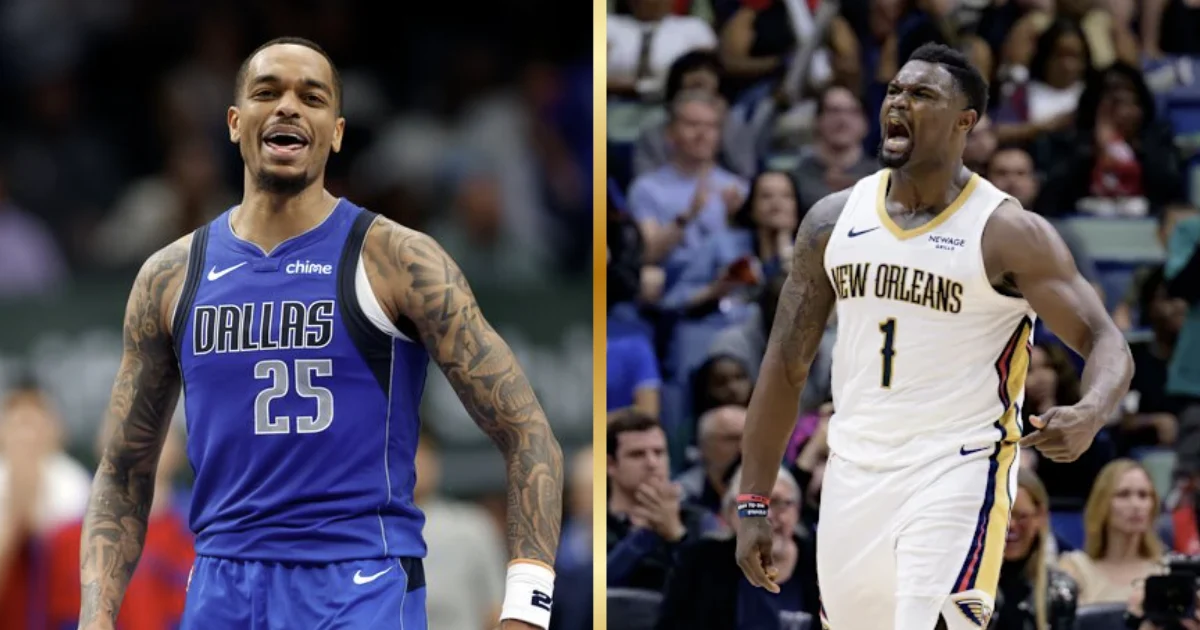


A compelling Southwest Division matchup unfolds tonight in New Orleans as the Dallas Mavericks visit the New Orleans Pelicans at the Smoothie King Center, with tip-off scheduled for 8:00 PM EST. The Pelicans enter on a four-game winning streak, showcasing a revitalized offense under a new strategic approach, while the Mavericks arrive looking to impose their methodical pace and bounce back from a recent road loss, creating a fascinating clash of styles.
Market Analysis
The betting market prices this contest as nearly a toss-up. The implied win probability for the New Orleans Pelicans stands at 52.83%, slightly edging out the Dallas Mavericks at 51.92%. This narrow valuation is reflected in the spread market, which positions the Pelicans as -1.5 point favorites. The pricing suggests that after accounting for home-court advantage, these teams are rated almost identically by the bookmaker. The total, set at a pronounced 240.5 points, projects a high-volume scoring affair, anticipating that both offenses will operate with considerable efficiency. This market expectation of a fast-paced game script, however, presents a distinct discrepancy when contrasted with Dallas’s on-court reality. The Mavericks possess one of the league’s slowest paces, a tactical identity that directly conflicts with the game flow implied by the total. This divergence between the market’s price and the probable game environment identifies a potential mathematical edge for bettors focused on the game’s tempo.
Pelicans’ Resurgence or Recency Bias?
New Orleans’ recent four-game surge has been built on offensive explosions, a direct result of interim head coach James Borrego’s lineup adjustments. Shifting Zion Williamson to a primary role off the bench has unlocked new offensive sets and allowed him to attack second units, evidenced by his recent season-high 29 points. This tactical shift has generated impressive offensive outputs, leading the Pelicans to average over 122 points per game across their last ten contests. The argument for backing New Orleans hinges on this new identity being sustainable. If this high-efficiency offense is the new norm, the current market price as a slight favorite at home is justified, especially against a Mavericks team with a 3-8 away record.
Conversely, the case against the Pelicans is rooted in their season-long performance metrics and the quality of their recent opposition. Despite the win streak, New Orleans still holds a 7-22 record and possesses one of the league’s least efficient defenses. The market may be exhibiting recency bias, overvaluing a small sample of offensive success while ignoring the larger structural flaws. Dallas, a team with a top-ten defensive rating for the season, presents a far tougher challenge than the teams New Orleans has recently defeated. The Mavericks’ disciplined half-court defense is designed to thwart the kind of offensive chaos the Pelicans have thrived on, questioning whether the hosts can maintain their scoring pace against a superior defensive unit.
Clash of Styles: Dallas’s Control vs. New Orleans’ Chaos
The fundamental conflict in this matchup is tempo. Dallas operates at one of the most deliberate paces in the NBA, preferring to execute in the half-court where their defense can get set. The Mavericks’ success is contingent on their ability to control the flow of the game, limit live-ball turnovers, and force New Orleans into a slower, possession-by-possession battle. With Anthony Davis stabilizing the paint and the potential return of Cooper Flagg from Questionable status, Dallas has the frontcourt personnel to manage the glass and contest shots at the rim, mitigating the Pelicans’ primary offensive threats. If the Mavericks can turn this into a grind-it-out affair, their superior season-long defensive metrics should give them a pronounced advantage.
For New Orleans to cover the spread, they must disrupt Dallas’s rhythm and create transition opportunities. Their recent success has been fueled by early offense and creating turnovers that lead to easy baskets. The Pelicans’ path to victory involves leveraging their athleticism to speed the game up, preventing Dallas from settling into its preferred defensive structure. The absence of Dejounte Murray could impact their perimeter defense, but Zion Williamson’s effectiveness against the Mavericks’ second unit could be the catalyst for offensive runs that dictate the game’s pace. The outcome will likely be decided by which team successfully imposes its stylistic will on the other.