



A four-game losing streak has Temple fighting for its tournament life as the Owls travel to Boca Raton tonight, Feb. 26, at 7 p.m. EST to face a Florida Atlantic squad that has dropped seven of its last eight but remains lethal at Eleanor R. Baldwin Arena. The market prices Florida Atlantic as a -4.5 favorite with a total of 145.5, effectively betting that home court dominance can override recent slump and that Temple’s collapse tendencies persist.
| Metric | Temple Owls | Florida Atlantic Owls |
|---|---|---|
| Record (Conf) | 15-12 (7-7) | 15-13 (7-8) |
| Points Per Game | 73.9 (242nd) | 80.0 (97th) |
| Points Allowed | 70.6 (90th) | 74.4 (206th) |
| Offensive Rating | 112.1 (123rd) | 111.6 (139th) |
| Defensive Rating | 107.1 (202nd) | 103.8 (110th) |
| 3-Point % | 33.7% (209th) | 33.2% (235th) |
| Field Goal % | 44.2% (252nd) | 46.0% (135th) |
| Turnovers/G | 9.0 (6th) | 12.2 (239th) |
| Blocks/G | 4.3 (60th) | 5.8 (7th) |
| Free Throw % | 74.1% (123rd) | 71.4% (212th) |
|
Key Advantage
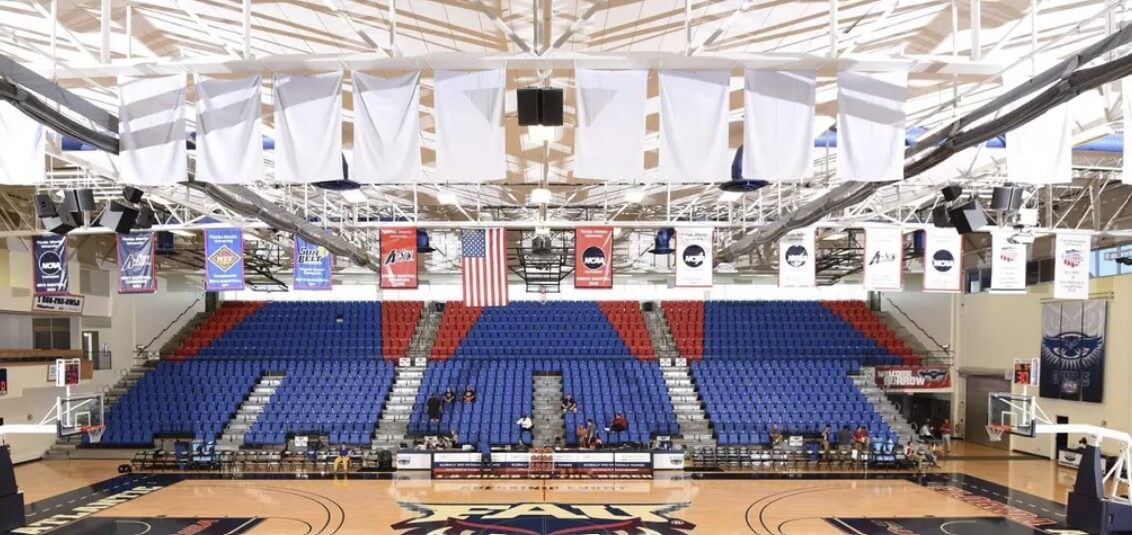
Florida Atlantic averages 93.0 points per game in home victories, winning by an average of 23.8 points at Eleanor R. Baldwin Arena. Temple’s defense allows opponents to shoot 44.1% from the field (179th nationally), and already collapsed against FAU this season.
|
||
Market Analysis
The consensus line sits at Florida Atlantic -4.5 with a total of 145.5, implying a 64.96% win probability for the home team. The market appears to be pricing in FAU’s documented home dominance; these Owls average 93.0 points per game in victories at Eleanor R. Baldwin Arena, winning by an average of 23.8 points, while discounting Temple’s superior defensive efficiency metrics and elite turnover rate.
The price creates a specific tension: Florida Atlantic’s recent form (seven losses in eight games) versus its historical home-floor production. Temple ranks sixth nationally in turnovers per game at 9.0, a discipline that typically travels well, yet Temple has already blown a halftime lead against this same Florida Atlantic team this season in a 79-73 loss at the Liacouras Center, where they led for 65% of the contest before a 10-point second-half collapse. The total at 145.5 assumes Temple can generate enough offense to push pace; they rank 242nd nationally in scoring at 73.9 points per game and 123rd in points per 100 possessions. The primary risk to Florida Atlantic covering: Temple’s free-throw volume (17.5 makes per game, 52nd nationally) keeps a defensively disciplined team within striking distance late, and the spread compresses on manufactured points at the line.
Home Court Firepower vs. Road Frailty
Florida Atlantic’s offensive engine operates on two distinct settings. On the road, the Owls have struggled through a brutal stretch, dropping seven of eight, including a one-point loss at North Texas. At home, the program transforms. The 93.0-point average in Boca Raton victories reflects a pace-and-space system that generates 62.4 field goal attempts per game (38th nationally) and converts at 46.0% from the field (135th). Devin Vanterpool leads the attack at 15.8 points per game and ranks ninth nationally among guards 6’4″ and shorter in rebounding, while freshman Josiah Parker has emerged as a force – 16.5 points and 9.5 rebounds in February, with six American Conference Freshman of the Week honors, doubling any other freshman in the league.
The rim protection amplifies everything. Devin Williams averages 2.9 blocks per game, second nationally, and Florida Atlantic ranks seventh in the country in total rejections. Opponents shoot just 42.7% against FAU (91st nationally). Temple’s interior offense, already strained at 44.2% from the field (252nd nationally), faces a shot-altering presence that compounds its half-court limitations. Derrian Ford leads Temple at 17.9 points per game and has scored 20+ in his last two matchups against Florida Atlantic, but the senior guard operates in a system that generates the sixth-fewest turnovers in the nation precisely because it avoids risk. That discipline becomes a ceiling when trailing: Temple cannot speed up without sacrificing its organizational identity.
Second-Half Demons and Situational Pressure
The January 18 meeting in Philadelphia offers a blueprint for concern. Temple led for two-thirds of the game, built a halftime advantage, and still lost 79-73 after being outscored by 10 in the second half. Ford and Aiden Tobiason combined for 43 points; the rest of the roster contributed 30. Florida Atlantic’s depth – eight international players, balanced scoring across multiple weapons – wore Temple down. That pattern has repeated across Temple’s current four-game skid: competitive first halves followed by decisive post-break separations, including a 69-57 loss at Wichita State, where the Shockers shot 50% after halftime and converted 21 free throws.
Tournament leverage heightens the pressure. At 15-12 and 7-7 in the American, Temple sits in a precarious position with limited opportunities to build resume equity. Florida Atlantic, similarly positioned at 7-8 in conference, treats its final two home games as essential. Coach John Jakus, in his second season at FAU, helped engineer a fourth straight postseason appearance in his first season with the program. His team’s 9-4 home record and 23.8-point average margin of victory suggest the institutional knowledge of how to close out opponents. The situational spot favors the home team with-season stakes and a proven venue advantage over the road team carrying psychological baggage from collapses against this same opponent.